Concrete Repair in Greenville
Concrete Repair in Greenville: We Fix It Right
We Serve Greenville, SC and Surrounding Areas
We provide concrete repair services throughout Greenville, SC and the surrounding areas, including Mauldin, Simpsonville, Taylors, Travelers Rest, Fountain Inn, and Berea. Whether you are on Augusta Street, Wade Hampton Boulevard, or out along Woodruff Road, we can get to you. We typically respond to service requests quickly and offer on-site assessments so you know exactly what you are dealing with before any work begins.
Common Concrete Repair Problems Homeowners Face
Cracked driveways, sunken slabs, spalling patios, and deteriorating sidewalks are problems we see every week across Greenville. These issues rarely fix themselves. A small crack today can let water in, weaken the base underneath, and turn into a much bigger problem by next season. Early concrete repair is almost always cheaper and faster than waiting until the damage spreads. Whether you are dealing with surface defects, joint failure, or a slab that has shifted out of level, we have the experience to diagnose what caused it and repair it the right way. We work on driveways, patios, garage floors, pool decks, sidewalks, foundations, and commercial surfaces like parking lots and ADA ramps.
Local Knowledge: Greenville Soil, Weather, and Housing Conditions
Working in Greenville for over ten years has taught us a lot about what makes concrete fail here specifically. Much of the Upstate sits on Piedmont soil, red clay, and saprolite, which shift and expand when they absorb moisture. Neighborhoods like North Main, Overbrook, and Augusta Road have older housing stock where original slabs were often poured without adequate reinforcement or proper joint spacing. Greenville also sees real freeze-thaw cycles in winter and heavy rain events throughout the year, both of which accelerate cracking and surface scaling. The tree roots along established streets near Cleveland Park and the Swamp Rabbit Trail area are another common cause of heaving and joint damage we deal with regularly. All of that local context shapes how we approach every repair.
Frequently Asked Questions About Concrete Repair in Greenville, SC
Do you pull permits for concrete repair work? When a project requires it, we work with the City of Greenville Building Codes Division or Greenville County Building Codes to make sure everything is done to code. We handle that process so you do not have to.
Are you licensed and insured in South Carolina? Yes. We hold an SC Contractor License and carry full liability insurance. You are protected throughout every stage of the work.
How long have you been doing this? Our team has over 20 years of combined experience pouring and repairing concrete, with more than ten of those years spent working right here in Greenville.
What methods do you use? Depending on the problem, we use techniques like epoxy injection, polyurethane foam for slab lifting, crack sealing, concrete patching, joint repair, concrete overlay and resurfacing, and waterproofing concrete with proven materials. We match the method to what the damage actually needs.
Can you match the look of my existing concrete? In most cases, yes. We work carefully to blend color, texture, and finish so repairs look as close to the surrounding surface as possible.
Understanding what concrete repair actually involves, from the methods we use to the materials and standards behind them, makes it easier to know what to expect from a project like this.
What Is Concrete Repair
Concrete repair is the process of restoring damaged or deteriorated concrete back to a safe, functional condition. It covers everything from small surface cracks to more serious structural problems like slab settlement or foundation movement. Rather than tearing out and replacing concrete whenever something goes wrong, repair work focuses on fixing what's there using the right materials and methods for the specific problem at hand.
Definition and General Overview
At its core, concrete restoration means identifying what went wrong, addressing the root cause, and then applying the appropriate repair. That might mean crack sealing, concrete patching, slab lifting, joint repair, or waterproofing concrete, depending on what we find. No two jobs are exactly alike, and the repair method always follows the diagnosis. We've spent over 20 years working with concrete and more than 10 of those years right here in Greenville, so we understand how local conditions affect concrete over time. The red clay and expansive soils common across the Upstate, along with seasonal rain and occasional freeze-thaw cycles, all put real stress on concrete surfaces and foundations.
Repair vs. Full Replacement: How We Decide
When you call us out for an assessment, we look at the extent of the damage, what caused it, and whether the existing concrete still has sound structure beneath the problem area. In many cases, repair is the right call. It costs less, takes less time, and causes less disruption to your property than a full tear-out. We may recommend techniques like epoxy injection for structural cracks, polyurethane foam for slab lifting, or a concrete overlay to restore a worn surface. Full replacement makes more sense when the concrete is heavily deteriorated throughout, the subgrade has failed, or the existing slab no longer meets current standards. We'll give you a straight answer either way.
Types of Damage That Can Be Repaired
Most concrete damage falls into one of two categories: structural or cosmetic. Structural issues include things like foundation movement, rising concrete, slab settlement, and failing joints. Cosmetic and surface damage includes spalling, scaling, surface cracks, and worn finishes. Both types can often be addressed through targeted concrete resurfacing, surface repairs, or concrete maintenance rather than full replacement. Whether it's a cracked driveway off Augusta Road, a settling patio slab in Simpsonville, or a damaged sidewalk near the Swamp Rabbit Trail, the damage type guides everything we do next.
Understanding what kind of damage you're dealing with is the first step toward a lasting fix. In the next section, we'll walk through the most common types of concrete damage we see and repair throughout the Greenville area.
Common Types of Concrete Damage We Fix
Concrete is tough, but it does not last forever without some attention. Around Greenville, we see damage show up in predictable ways. The red clay and saprolite soils common across the Upstate shift with moisture, tree roots push up slabs along older streets like Augusta Road and Wade Hampton Boulevard, and the freeze-thaw cycles we get each winter open up small cracks into bigger problems. Here is a look at what we run into most often and how we approach each one.
Cracks: Surface, Structural, and Shrinkage
Not all cracks are the same. Hairline shrinkage cracks that form during curing are mostly cosmetic. Structural cracks that run deep or show movement are a different situation entirely. We use crack sealing and epoxy injection to stabilize cracks and restore load-bearing capacity where it matters. For wider or actively moving cracks, we follow ASTM C881 guidelines when selecting an epoxy resin to make sure the bond holds long-term. Getting the diagnosis right from the start is what separates a lasting repair from one that reopens in six months.
Spalling and Scaling
Spalling is what happens when the surface of concrete flakes, chips, or breaks away. You see it a lot on driveways and garage floors around Mauldin and Simpsonville, especially on slabs that were finished during hot, humid summers without proper curing. Scaling often comes from road salts or deicers making contact with concrete that was not air-entrained correctly. We grind the damaged surface back using a diamond grinder, then apply a concrete overlay or polymer-modified mortar to restore a clean, sound surface. Material selection follows ASTM C928 to match strength and bonding requirements.
Slab Settlement and Heaving
Settlement happens when the soil underneath a slab compresses or washes away. Heaving is the opposite, where expansive clay pushes the slab upward. Both are common here in Greenville County because of the fill soils and weathered granite found across much of the Upstate. Slab lifting using polyurethane foam is one of the less disruptive ways we handle settlement. We drill small ports into the slab, inject the foam beneath it, and the slab rises back to grade. For more serious movement tied to foundation repair needs, we assess whether additional structural work is required before any surface repair begins.
Potholes and Surface Pitting
Potholes in concrete parking lots and driveways often start as small surface defects that let water in. Once water gets below the surface and the soil softens, the top layer loses support and breaks apart. We cut back the damaged area to sound concrete, prepare the base, and use concrete patching materials that meet the compressive strength the original slab was designed for, typically 4000 psi or higher for driveways and commercial surfaces. Skipping proper subgrade prep is usually why patched potholes fail again quickly.
Water Damage and Drainage Problems
Standing water on a slab is not just an inconvenience. It works its way into joints and cracks, weakens the base, and eventually causes the surface to fail. We see this regularly on patios near the Reedy River corridor and on low-lying slabs in areas like Berea and Sans Souci. Joint repair, proper slope correction, and waterproofing concrete with crystalline waterproofing compounds or sodium silicate sealers are tools we use to address both the damage and the underlying drainage issue driving it.
Rebar Corrosion and Related Deterioration
When steel reinforcement inside a slab corrodes, it expands and pushes the surrounding concrete apart from the inside out. You might notice rust staining, linear cracking along rebar lines, or chunks of concrete breaking loose. We use a rebar locator to map the steel before cutting into anything, then clean the exposed rebar, apply a chloride inhibitor, and rebuild the section using fiber-reinforced concrete or polymer-modified mortar. Stopping the corrosion cycle is just as important as patching the surface.
Each of these damage types affects specific surfaces differently, and the right repair approach depends heavily on where the concrete is and how it gets used. That leads us into the surfaces we work on most often across Greenville.
A few years back, we got a call from a homeowner over in the Taylors area just outside Greenville. They had a large concrete driveway that was cracking and sinking in several spots. On the surface, it looked like a straightforward repair job. We have seen plenty of those over our 10 plus years working in Greenville, so we felt confident going in.
When we started cutting into the damaged sections, though, we found something we did not expect. The soil underneath had washed out pretty badly, likely from years of heavy rain runoff that is so common here in the Upstate. There were hollow voids running under a good portion of the slab. If we had just patched the surface and called it done, the whole thing would have failed again within a year or two.
We stopped, talked honestly with the homeowner, and walked them through what we found. Nobody wants to hear that a job is going to take longer and cost more than planned. But being straight with people is just how we work.
We ended up filling and compacting the voids before we touched the concrete itself. That part alone added a full day to the project. Once the base was solid, we replaced the damaged sections with fresh concrete and matched the finish to the existing driveway as closely as we could.
That repair is still holding up today. The homeowner sends us referrals now and then, which means a lot to us. Jobs like that one are a good reminder that concrete repair is not always what it looks like from the top. Having over 20 years of combined experience pouring concrete helps us know when to dig deeper before moving forward.
Concrete Surfaces We Repair in Greenville
After more than a decade working throughout Greenville, we have seen concrete fail in just about every way possible. From the older neighborhoods along Augusta Road to newer developments in Simpsonville and Mauldin, the story is usually the same: a small problem that got ignored long enough to become a bigger one. Below is a breakdown of the surfaces we repair most often and what tends to go wrong with each one.
Driveways
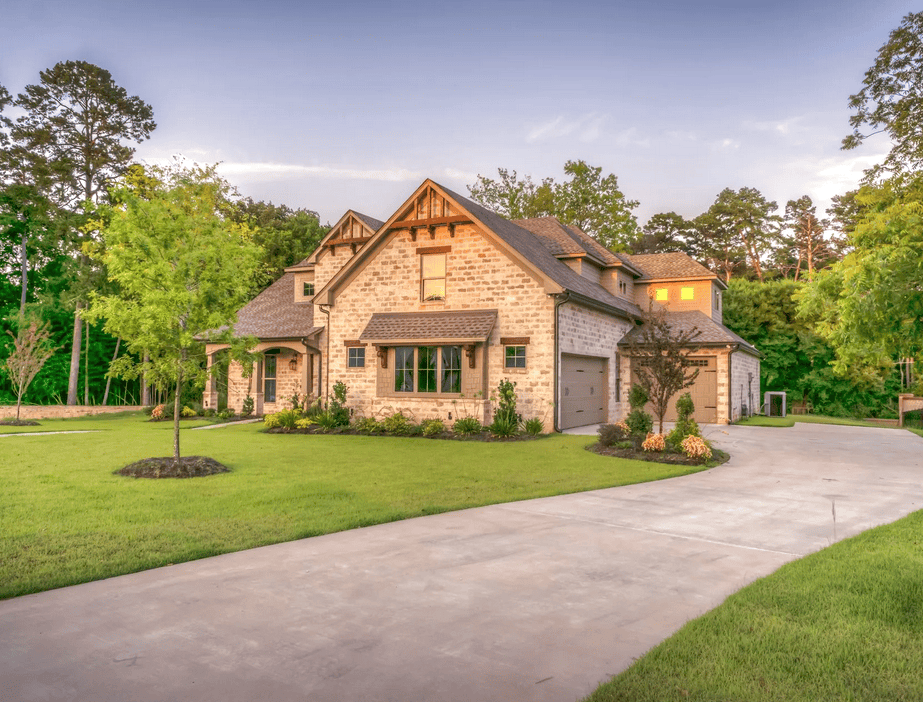
Greenville driveways take a beating from the area's red clay and expansive soils, which shift and settle with the seasons. Slab lifting is one of the more common services we provide for driveways where one section has dropped below another, creating an uneven surface and a potential trip hazard. We also handle cracking, surface scaling, and joint failures that let water get underneath and make things worse over time.
Sidewalks and Walkways
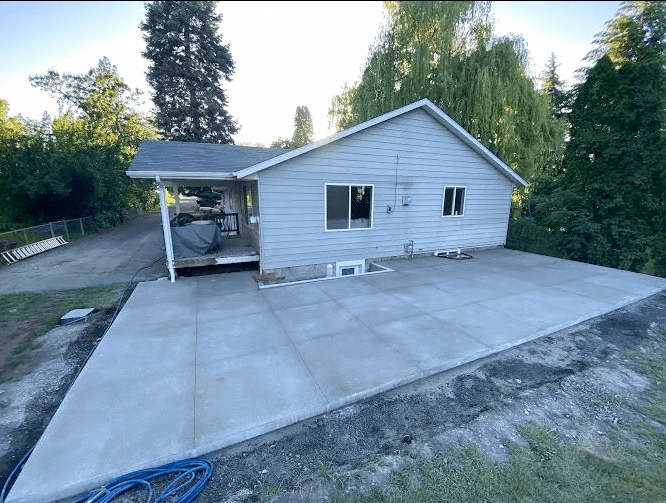
Tree roots, poor drainage, and years of foot traffic all contribute to sidewalk damage across Greenville neighborhoods. Whether you are a homeowner near the Swamp Rabbit Trail or a property manager on Pleasantburg Drive, uneven or cracked walkways create real liability concerns. Crack sealing and concrete patching are often enough to restore a sidewalk without full replacement, as long as the underlying cause is addressed at the same time.
Patios and Pool Decks
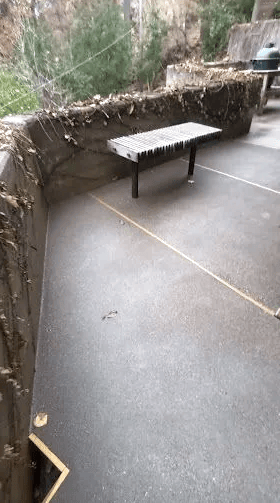
Surface repairs on patios and pool decks often involve more than just filling a crack. Spalling, scaling, and color fading are common, especially on older slabs that were not properly sealed. We use concrete resurfacing techniques to restore these surfaces and can apply a concrete overlay where the existing slab is structurally sound but worn on top. Waterproofing concrete around pool areas is also something we pay close attention to, since standing water speeds up deterioration quickly.
Garage Floors
Garage floors in Greenville often show dusting, pitting, and joint deterioration over time. These are common signs of a surface that was either finished too early or never properly cured. We address both cosmetic and structural issues, including settling slabs and damaged control joints. Proper concrete maintenance at this stage can prevent much more costly work later.
Foundations and Structural Slabs
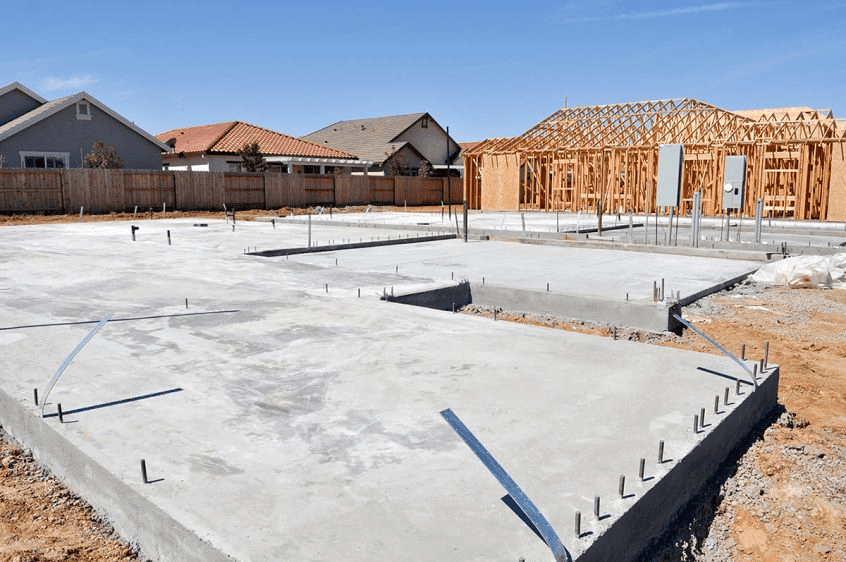
Foundation repair is some of the most important work we do. Greenville's Piedmont soil and underlying saprolite can shift in ways that put real stress on a foundation over time. We use epoxy injection and polyurethane foam to address cracks and voids, and we identify the root cause before any repair begins. Structural repairs follow recognized standards so the work holds up long after we leave the job site.
Commercial Surfaces: Parking Lots, Curbs, and ADA Ramps
We work on commercial properties throughout the Greenville area, including parking lots along Woodruff Road and curb and ramp repairs near Downtown Greenville. ADA compliance is a specific concern for many property owners, and we make sure any ramp or walkway repair meets current requirements. Permits are pulled through the appropriate office when required, whether that is the City of Greenville Building Codes Division or Greenville County Building Codes.
Each of these surfaces has its own set of failure patterns and repair needs, which is why the methods and materials we use vary from job to job. The next section walks through exactly how we approach those repairs and what goes into making them last.
Our Concrete Repair Methods and Materials
We use the right method for each job, not just the easiest one. After more than 20 years of combined experience pouring and repairing concrete, and over 10 years working specifically in Greenville, we know that a lasting repair starts with an honest diagnosis. What works on a settled driveway in Verdae may not be the right call for a cracked foundation wall in North Main. Here is a look at the core methods and materials we rely on.
Epoxy and Polyurethane Crack Injections
Not every crack needs to be chipped out and patched. For tight, stable cracks, epoxy injection restores structural strength by bonding the concrete back together from the inside out. We use epoxy resins that meet ASTM C881, which means the bond is often stronger than the surrounding slab. For cracks that are actively leaking or where some movement is expected, polyurethane foam is a better fit. It expands to fill voids and stays slightly flexible, which helps it hold up over time. Both methods are faster and far less disruptive than cutting out and replacing sections.
Concrete Overlays and Resurfacing
When a surface is worn, scaled, or pitted but the slab underneath is still structurally sound, a concrete overlay or concrete resurfacing is often the most practical option. We prepare the surface using a shot blaster or diamond grinder to reach a clean, open profile, typically CSP 3 or better, so the overlay bonds properly. We then apply a polymer-modified mortar or other overlay system at the right thickness for your situation. This approach works well on garage floors, patios, pool decks, and commercial surfaces throughout areas like Mauldin and Simpsonville.
Mudjacking and Slab Lifting
Sunken concrete is a common problem here in Greenville, and slab lifting is usually a better value than full replacement. We drill small holes through the slab and pump either a cement-based slurry or polyurethane foam underneath to fill voids and raise rising concrete back to grade. The foam method is lighter, which matters when poor subgrade support caused the settling in the first place. Both approaches are completed in hours, not days, and you can typically use the surface again the same day.
Patching Compounds and Hydraulic Cement
For localized damage like spalling, popouts, or broken edges, we use concrete patching materials matched to the job. Shallow surface repairs may call for a polymer-modified mortar, while deeper structural patches may use hydraulic cement or a fiber-reinforced mix. We follow ASTM C928 guidelines for repair mortars and always prepare the repair area properly, including applying a bonding slurry when needed, so the patch does not delaminate down the road. Getting this step right is one area where professional concrete restoration separates itself from a bag of Quikrete and a trowel.
Sealing and Protective Coatings
Waterproofing concrete and applying the right sealer after a repair protects everything we just fixed. Depending on your surface, we may recommend a penetrating silicate-based sealer, a crystalline waterproofing compound, or a membrane coating. Crack sealing at control joints and joint repair work is also part of a complete maintenance plan. Keeping water out is especially important in Greenville, where heavy rains and seasonal temperature swings put repeated stress on concrete surfaces. Sealing is one of the most cost-effective steps in ongoing concrete maintenance.
Color Matching, Staining, and Stamping for Repaired Areas
A repair that stands out like a sore thumb is a repair that is only half finished. We offer color matching, integral color, acid staining, and stamped texture work so repaired sections blend with the existing concrete. This matters most on visible surfaces like driveways along Augusta Street corridors, front walkways in Botany Woods, or pool decks in Hollingsworth Park. We use the same surface prep standards for decorative work as we do for structural repairs, because a good-looking finish only lasts if what is underneath it is solid.
Understanding how we fix concrete is only part of the picture. To make sense of why repairs are needed in the first place, it helps to look at what Greenville's specific climate, soil conditions, and growth patterns do to concrete over time.
Why Concrete Gets Damaged in Greenville, SC
Concrete is tough, but it does not last forever on its own. In Greenville, a few specific conditions work against it year after year. Understanding what causes the damage helps explain why the right repair approach matters as much as the repair itself. With over 20 years of combined experience pouring and repairing concrete, and more than a decade working right here in the Upstate, we have seen these patterns play out across neighborhoods from Berea to Simpsonville and everywhere in between.
Freeze-Thaw Cycles and Temperature Swings
Greenville sits in a climate zone where temperatures regularly dip below freezing in winter and climb well above 90 degrees in summer. Water works its way into small pores and surface voids in concrete. When that water freezes, it expands. When it thaws, it contracts. Repeat that process dozens of times over a single winter season and you get surface scaling, spalling, and crack networks that grow wider over time. Driveways, sidewalks, and exposed slabs along areas like Augusta Street and Wade Hampton Boulevard take the brunt of this kind of wear.
Heavy Rainfall and Stormwater Runoff
Greenville averages around 50 inches of rain per year, which is well above the national average. That steady volume of water puts pressure on concrete surfaces and the soil underneath them. Poor drainage causes water to pool, seep under slabs, and wash out the base material. Once the support beneath a slab erodes, settlement and cracking follow. We often see this play out near the Reedy River corridor and in lower-lying areas around Lake Conestee and Brushy Creek where stormwater runoff is especially active. Waterproofing concrete and addressing drainage during a repair are not optional steps for us — they are standard parts of the process.
Clay-Heavy Soil Movement and Root Intrusion
The Piedmont soil profile across Greenville County contains a significant amount of red clay and expansive clay, often layered over saprolite and weathered granite. This soil absorbs water and swells, then dries out and shrinks. That constant movement shifts the ground beneath concrete slabs, leading to rising concrete, uneven surfaces, and joint separation. Older neighborhoods like North Main, Chanticleer, and Botany Woods often have mature tree canopies, and the root systems beneath them add another layer of pressure on sidewalks, driveways, and patios. Slab lifting and joint repair are common solutions we use in these situations.
Age, Wear, and Deferred Maintenance
Concrete placed 20 or 30 years ago was often mixed and finished to lower standards than what we follow today. Over time, surface wear, vehicle traffic, chemical exposure, and neglected cracks all compound into bigger structural problems. A small crack that could have been addressed with crack sealing or epoxy injection early on can eventually require full section removal if left alone. Regular concrete maintenance is far less costly than emergency repairs, and that is a straightforward reality we see confirmed on job sites across Greenville every season.
Once you understand what causes concrete to break down, it becomes much easier to see why repairing it promptly makes practical sense — both structurally and financially.
Concrete Done Right by a Crew Based in Greenville
We are a concrete contractor based in Greenville, SC, and we have been pouring and finishing concrete in this area for over 10 years. Our crew brings more than 20 years of combined hands-on experience to every job, from small residential repairs to large commercial pours.
Working in Greenville means we know this area well. We understand the local soil conditions, the humidity that comes with South Carolina summers, and how the seasonal temperature swings here can stress a concrete surface if the mix and curing process are not handled correctly. That kind of local knowledge matters on every job we take on, whether we are installing a driveway in Simpsonville, a pool deck in Taylors, or a commercial slab in downtown Greenville.
We handle the full range of concrete work. That includes driveways, patios, garage floors, pool decks, sidewalks, foundations, retaining walls, stamped and decorative concrete, concrete cutting and removal, resurfacing, sealing, and staining. We also work on commercial and industrial projects, including parking lots, warehouse floors, and ADA-compliant ramps and sidewalks.
When you hire us, you get a crew that shows up prepared. We handle permits, site prep, forming, pouring, finishing, and cleanup. We carry insurance and stand behind our work with a written warranty. You will know exactly what is included before we start, and we keep you informed throughout the project.
If you have a concrete project coming up and want to know what it will take to get it done right, we are glad to come out, take a look, and give you a free estimate.
Benefits of Repairing Concrete Instead of Replacing It
When concrete starts showing wear, the first question most property owners ask is whether to repair it or tear it out and start over. In most cases, repair is the smarter choice. Here in Greenville, we have seen countless driveways, patios, and slabs that looked beyond saving but were fully restored through the right repair approach. Full replacement costs more, takes longer, and creates more mess. Targeted repairs using methods like slab lifting, crack sealing, or a concrete overlay can bring damaged surfaces back to full function at a fraction of the cost.
Cost Savings Compared to Full Replacement
Demolition, haul-off, new formwork, and a full pour add up quickly. Concrete patching and surface repairs typically cost significantly less than replacement, especially when the underlying structure is still sound. Techniques like epoxy injection and polyurethane foam lifting address the root cause of many common problems without the expense of starting from scratch. Catching issues early almost always saves money over time.
Faster Project Timelines and Less Disruption
A full concrete replacement on a driveway or garage floor can take several days just for demolition and base prep, then several more for curing. Most repair work moves much faster. We can complete many concrete restoration jobs in a single day, and you are often back to using the surface within 24 to 48 hours. That matters whether you are a homeowner near Augusta Road or a business owner along Woodruff Road who cannot afford extended downtime.
Improved Safety and Reduced Liability
Cracked, uneven, or spalling concrete is a real hazard. Trip-and-fall injuries happen on surfaces that have heaved, settled, or broken apart. For commercial properties near Downtown Greenville or community spaces along the Swamp Rabbit Trail, unaddressed concrete damage can also mean liability exposure. Repairing those surfaces promptly removes the risk and helps protect you from injury claims.
Extended Service Life of Existing Concrete
Well-executed repairs do more than fix what you can see. Waterproofing concrete and sealing open joints stops water from working into the slab, which is especially important here given Greenville's heavy rains and the expansive red clay and Piedmont soil common across the area. Left untreated, water intrusion accelerates freeze-thaw damage, erodes the subgrade, and corrodes steel reinforcement. Proper joint repair and surface sealing can add years to what you already have.
Protecting Property Value and Curb Appeal
Concrete in poor condition stands out, and not in a good way. Whether you own a home in Hollingsworth Park or a commercial building near Greenville Spartanburg International Airport, the condition of your concrete surfaces affects how people see your property. Concrete resurfacing and color-matched concrete maintenance work can restore a surface to a condition that is hard to distinguish from new, without the cost of full replacement.
Meeting HOA, Municipal, and Insurance Requirements
Many neighborhoods and municipalities have standards for concrete condition, especially for sidewalks, curbs, and ADA-compliant ramps. The City of Greenville Building Codes Division and Greenville County Building Codes both have requirements that apply to repair and restoration work. HOA boards in communities across the Upstate regularly flag damaged concrete for correction. Insurance carriers may also deny claims or flag properties where damaged surfaces present an obvious hazard. Keeping your concrete in good repair keeps you in compliance and avoids those headaches.
Understanding why repair makes sense is only part of the picture. The other part is knowing that the repair is done correctly the first time. That is where our process comes in.
Our Concrete Repair Process
When you call us for concrete repair in Greenville, we follow the same step-by-step process on every job. It keeps the work organized, helps you know what to expect, and makes sure the repair holds up for years to come.
On-Site Inspection and Damage Assessment
We start by coming out to your property and taking a close look at what is going on. Greenville's red clay and expansive soils are hard on concrete. Tree roots, poor drainage, and the area's wet winters all take a toll over time. We look at cracks, settlement, surface defects, and any signs of deeper structural problems. For foundation concerns, we use tools like a rebar locator and moisture meter to get a clearer picture beneath the surface. This step matters because a good repair starts with understanding the actual cause, not just what you can see.
Free Estimate and Project Planning
Once we know what we are dealing with, we sit down with you and go over what the repair involves, how long it will take, and what it will cost. We cover material choices, whether that is epoxy injection resin for cracks, polyurethane foam for slab lifting, or a concrete overlay for worn surfaces. If permits are needed through the City of Greenville Building Codes Division or Greenville County Building Codes, we walk you through that process too.
Surface Preparation and Cleaning
This is where most repairs either succeed or fail. We use equipment like diamond grinders and shot blasters to clean and profile the concrete surface before anything is applied. Proper prep removes weak material and gives new repair products something solid to bond to. For most surface repairs, we work to a CSP 3 or CSP 5 profile depending on what the repair calls for. Skipping this step is one of the main reasons patches fail early.
Repair Work and Material Application
With the surface ready, we apply the right materials for the job. That might mean concrete patching with polymer-modified mortar, crack sealing along control joints, epoxy injection for structural cracks, or polyurethane foam for rising concrete and slab settling. For worn or damaged surfaces, concrete resurfacing with a quality overlay can restore both function and appearance. We use products from trusted manufacturers like Sika, Mapei, and Euclid Chemical, and we follow mix and application specs tied to standards like ASTM C881 and ACI 546R. Our concrete restoration work is built around doing the repair correctly the first time, not patching over a problem.
Curing, Sealing, and Final Walkthrough
After the repair is placed, proper curing is critical, especially during Greenville's hot and humid summers. We use curing compounds or wet curing methods to reduce shrinkage and surface defects as the concrete gains strength. Where it makes sense, we finish with waterproofing concrete treatments or joint repair to protect the surface from moisture and future damage. Before we leave, we walk the job with you, answer any questions, and go over basic concrete maintenance steps to help the repair last.
Every part of this process ties back to the same goal: a repair you can count on. That also means making sure our work meets local code requirements and is backed by proper licensing and insurance, which we cover next.
Licensing, Insurance, and Code Compliance
When you hire someone to work on your concrete, you want to know they are operating above board. We hold an active SC Contractor License and carry credentials that meet the standards most property owners never think to ask about until something goes wrong. Here is what that means for you and your project.
Our Licensing and Credentials in South Carolina
We have over 20 years of combined experience pouring and repairing concrete, with more than 10 of those years working specifically in Greenville and the surrounding Upstate area. That local background matters. We understand how Piedmont soil, red clay, and expansive fill soil behave under slabs and foundations here, and we apply that knowledge to every job we take on.
Our team works in line with recognized industry standards, including ACI 546R and ICRI 310.2R, which are the benchmark guidelines for concrete repair and restoration. Whether we are doing concrete patching on a driveway off Augusta Street or handling foundation repair in a home near Botany Woods, we follow documented procedures that produce lasting results rather than temporary fixes.
Insurance Coverage and Liability Protection
We carry general liability insurance and workers compensation coverage. That protects you from being held responsible if something unexpected happens on your property during the job. Before we start any work, we can provide proof of coverage. We encourage you to ask for it. Any reputable contractor should hand that over without hesitation.
Skipping this step is a risk that is easy to avoid. If a crew without proper insurance damages your driveway near Hollingsworth Park or a worker is injured on your property in Mauldin, you could end up shouldering costs that were never yours to carry.
Permits and Local Building Code Compliance in Greenville
Some concrete repairs require permits, and some do not. It depends on the scope and location of the work. We are familiar with the requirements set by the City of Greenville Building Codes Division and Greenville County Building Codes, and we pull the necessary permits when the job calls for it. That keeps your project on the right side of local regulations, HOA rules, and insurance policy conditions.
Whether you are near Simpsonville or closer to Downtown Greenville, code compliance protects your investment and prevents issues when you sell or refinance your property. Once your credentials and coverage are confirmed and permits are squared away, the next step is getting your project on the calendar and understanding what to expect from start to finish.
Project Timelines and Scheduling
How Long Most Concrete Repairs Take
Most concrete repairs we handle in Greenville take anywhere from a few hours to a couple of days. Simple crack sealing or concrete patching on a driveway or sidewalk can often be wrapped up in a single visit. Larger jobs like slab lifting with polyurethane foam, epoxy injection for foundation cracks, or full concrete resurfacing of a garage floor or patio may take two to three days once we factor in prep, curing, and finishing. We give you a realistic timeline before we start so you can plan around it.
Factors That Affect the Project Schedule
A few things can shift how long a repair takes. The size and severity of the damage matters most. Surface repairs on a small section of a parking lot off Woodruff Road move faster than foundation repair on an older home in North Main where Piedmont soil and red clay have caused deeper settlement. Weather is another factor. Greenville summers are hot and humid, and proper curing takes time that we will not cut short. Heavy rain can delay pours or overlay applications. Permit timelines through the City of Greenville Building Codes Division can also add a few days for larger structural work. We account for all of this in your project schedule upfront.
Emergency Repairs and Seasonal Availability
When a slab has heaved near a walkway or a joint repair failure is letting water into a structure, waiting is not a good option. We do take on urgent repair calls across Greenville County, including areas like Simpsonville, Mauldin, and Travelers Rest. That said, our schedule stays full, especially in spring and fall when conditions are ideal for concrete restoration and waterproofing concrete work. Reaching out early gives you the best chance of getting on the calendar before your repair window closes for the season.
Once your repair is complete, the next step is understanding how to protect that work over time. Knowing what your warranty covers and how to keep up with basic concrete maintenance makes a real difference in how long your repair lasts.
Warranty, Maintenance, and Long-Term Care
What Our Repair Warranty Covers
Every repair we complete comes backed by a written workmanship warranty. What that covers depends on the type of work. Structural repairs such as foundation repair, slab lifting, and epoxy injection carry longer coverage periods than surface repairs like crack sealing or a concrete overlay. We follow ACI 546R guidelines on repair materials and methods, so you can feel confident the work was done correctly from the start. If something fails because of how we repaired it, we come back and make it right. We carry our SC Contractor License, full liability insurance, and bonding, so you are protected if anything goes wrong on the job.
Routine Maintenance Tips to Extend Repair Life
Even a well-done repair needs basic upkeep. Here are a few things you can do to get the most out of your investment. First, keep joints clean. Joint repair areas can collect debris, which holds moisture and puts pressure on the sealant. Clear them out once or twice a year. Second, reseal repaired surfaces every two to three years. Waterproofing concrete with a quality sealer slows moisture penetration and reduces the freeze-thaw damage that Greenville winters can cause. Third, watch for new cracks early. Small cracks caught early are much cheaper to address through concrete patching than waiting until the damage spreads.
Preventive Care Advice for Greenville Homeowners
Greenville's red clay and expansive soils shift with moisture changes, especially after heavy rains near the Reedy River corridor or in older neighborhoods like North Main and Augusta Road. That movement puts ongoing stress on concrete. Keeping gutters clean and directing downspouts away from slabs reduces water intrusion under the concrete. Tree roots near driveways and patios are another common cause of rising concrete, so trimming roots or installing root barriers early can prevent bigger problems. We also recommend a simple visual walk-around each spring and fall. Catching settlement or surface defects early is the most effective form of concrete maintenance you can practice.
If you are wondering what all of this is going to cost, or what payment options are available, we cover that in the next section.
Pricing and Payment Options
What Affects the Cost of Concrete Repair in Greenville
Several things go into what you'll pay for concrete repair. The size and depth of the damage matters a lot. A few small cracks cost less to address than a sunken driveway that needs slab lifting or polyurethane foam injection beneath it. The type of repair also plays a role. Surface repairs like crack sealing or a concrete overlay run differently than foundation repair or full concrete restoration. Around Greenville, we also factor in soil conditions. The red clay and Piedmont soil common in neighborhoods like Berea, Parker, and Taylors can shift with heavy rain or dry spells, which sometimes means more prep work before we even start the repair. Access to your property, the need for permits through the City of Greenville Building Codes Division, and whether we need to match an existing finish all affect the final number too.
Typical Price Ranges for Common Repair Jobs
We want you to have a realistic idea before we ever show up. Basic crack sealing and concrete patching on a sidewalk or patio tends to be on the lower end. Driveway resurfacing or a concrete overlay covering a larger area costs more because of material volume and labor time. Jobs involving epoxy injection, joint repair, or rising concrete correction sit somewhere in the middle, depending on how many locations need attention. Larger structural work like foundation repair or waterproofing concrete is priced on a job-by-job basis because no two situations are the same. We'll always give you a clear breakdown before any work begins.
Financing and Payment Options We Offer
We know repair costs can catch you off guard, especially when concrete maintenance gets put off for a season or two and a small problem grows. We work with you on payment so the job gets done without unnecessary stress. We accept standard payment methods and can talk through options that fit your situation when you contact us.
How to Get a Free Quote from Us
Getting a quote is straightforward. You reach out, we schedule a time to come look at the concrete in person, and we give you a written estimate. We serve all of Greenville County, from Simpsonville and Mauldin up through Travelers Rest and everywhere in between. There's no obligation and no pressure. We just come out, assess what's going on, and tell you honestly what we think it will take to fix it right.
That kind of straight talk is something our customers have come to expect from us, and it's a big part of why we've built the reputation we have here in Greenville over the past decade.
Our Experience and Local Reputation
Over 20 Years of Concrete Experience
We have been working with concrete for over two decades. That means we have seen just about every kind of failure there is, from surface repairs on worn driveways to full foundation repair on settled slabs. We know what works and what does not. Our crews are trained in proper diagnosis, whether the problem is expansive red clay shifting under a slab, tree roots heaving a sidewalk, or poor drainage eating away at a patio over time. We follow industry standards like ACI 546R for concrete repair and use materials such as epoxy injection resin and polyurethane foam because they are proven to hold up. We do not guess at the root cause. We find it, fix it, and make sure it stays fixed.
More Than 10 Years Serving Greenville, SC
We have worked throughout Greenville County for over a decade. That includes neighborhoods like Augusta Road, North Main, and Berea, as well as communities in Mauldin, Simpsonville, and Taylors. We understand how Greenville's Piedmont soil and red clay behave under concrete, and we know how seasonal rain and occasional freeze-thaw cycles affect slabs and joints here. Working in this area long enough means we also know what the City of Greenville Building Codes Division and Greenville County Building Codes require for permitted work, so your project stays compliant from start to finish.
Customer Reviews and Project Portfolio
Our work speaks for itself. From concrete resurfacing on pool decks near Cleveland Park to slab lifting and crack sealing on commercial surfaces along Woodruff Road, we have built a record that local property owners trust. We carry our SC Contractor License, and our crews hold relevant certifications so you know the people on your property are qualified. We are happy to share past project photos and put you in touch with previous customers. When you are ready to talk through what your concrete needs, we are here to take a look and give you a straight answer.
Ready to Fix Your Concrete? Here Is What Comes Next
You have seen what our team brings to the table. With over 20 years of combined experience pouring and repairing concrete, and more than a decade working right here in Greenville, we know what it takes to get the job done correctly the first time. From slab lifting and foundation repair to crack sealing, concrete resurfacing, and waterproofing concrete, we handle the full range of repairs that Greenville homeowners and business owners need.
What You Get When You Work With Us
Hiring us means more than just patching a crack. Here is what we bring to every job:
- Accurate diagnosis of the root cause, whether that is Greenville's red clay soil shifting, poor drainage, or tree root movement near the Swamp Rabbit Trail or Cleveland Park area
- Proper surface preparation and repair methods that follow industry standards, including ICRI 310.2R and ASTM C881
- Materials that hold up, including epoxy injection resin, polyurethane foam, polymer-modified mortar, and fiber-reinforced concrete
- Correct mix designs and curing methods suited to Greenville's hot, humid summers and occasional freeze-thaw cycles
- Concrete patching, concrete overlay, and joint repair work that matches your existing surface for a clean, finished look
- Full compliance with the City of Greenville Building Codes Division and Greenville County Building Codes
- Licensed, bonded, and insured protection that keeps you covered from start to finish
- Repairs that extend the life of your concrete, protect your property value, and reduce future maintenance costs
- Honest timelines, clear communication, and no surprise charges
Your Next Step Is Simple
Whether you have a cracked driveway off Augusta Street, a settling patio slab in Simpsonville, or a commercial surface near Woodruff Road that needs concrete restoration, we are ready to take a look. We offer free on-site inspections and written quotes so you know exactly what the work involves and what it will cost before anything starts.
Call us or fill out the form below to schedule your free quote today. We will get back to you promptly and get your concrete back in shape the right way.
Greenville SC Concrete
220 N Main St
Greenville, SC 29601
Business Hours
| Mon | 8:00 AM – 7:00 PM |
| Tue | 8:00 AM – 7:00 PM |
| Wed | 8:00 AM – 7:00 PM |
| Thu | 8:00 AM – 7:00 PM |
| Fri | 8:00 AM – 7:00 PM |
| Sat | 9:00 AM – 6:00 PM |