Foundation Work in Greenville
Greenville Foundation Work Built to Last
We serve Greenville, SC and surrounding areas for foundation work
We provide concrete foundation services throughout Greenville, SC and the surrounding communities, including Mauldin, Simpsonville, Greer, Taylors, and Travelers Rest. Our crews are available Monday through Saturday and can typically schedule an on-site visit within a few business days. Whether you are in Botany Woods, along Wade Hampton Boulevard, or out near Fountain Inn, we cover the Upstate South Carolina region and are familiar with the local conditions that affect foundation work here.
Common foundation problems Greenville homeowners face
Foundation problems rarely announce themselves all at once. More often, you notice a door that suddenly sticks, a crack running along a brick exterior, or a floor that feels slightly off-level in one room. These are signs that something below your home may be shifting. Foundation settlement, water intrusion, and pressure from surrounding soil are the most common issues we see in this area. Left unaddressed, these problems tend to grow and become significantly more expensive to fix. The good news is that early action, whether that means crack repair, foundation waterproofing, underpinning, or improving foundation drainage, can stop the damage before it reaches the structural framing above.
What we know about Greenville soil, weather, and housing stock
With over 20 years of combined experience pouring concrete and more than 10 years working specifically in Greenville County, we have a solid understanding of what the ground here does to foundations over time. Much of the Upstate sits on Piedmont residual soil, including pockets of expansive clay and saprolite from weathered gneiss. These soils absorb water and swell during wet seasons, then shrink and pull back during dry stretches. That cycle puts repeated stress on foundations across neighborhoods like North Main, Augusta Road, and Chanticleer. Older homes near the Reedy River corridor and along Rutherford Road often sit on crawl space foundations, while newer builds in areas like Verdae and Hollingsworth Park more commonly use slab construction. We know the crawl space foundation options available for this housing stock and which solutions hold up under Upstate conditions. We also understand what the Greenville County Building Codes Division and the City of Greenville Building Permits Office require for permitted foundation work, so there are no surprises during inspection.
Frequently asked questions about foundation work in Greenville, SC
How do I know if my foundation needs repair?
Common warning signs include cracks in interior drywall or exterior brick, doors and windows that no longer open and close smoothly, uneven or bouncy floors, and visible gaps between walls and ceilings. If you notice any of these, a foundation inspection is a smart first step.
What types of foundations are most common in Greenville?
You will find a mix of slab foundations, crawl space foundations, and some full basements, though basements are less common here. Older homes in established neighborhoods often have block or poured crawl space walls, while construction from the 1990s onward tends to favor slab-on-grade. Each type has its own set of potential issues and repair methods.
Does Greenville soil affect my foundation more than other areas?
Yes, in many cases it does. The expansive clay and fill soil found across much of Greenville County shifts with moisture changes throughout the year. This is one reason foundation settlement and cracking show up more frequently here than in areas with more stable sandy or rocky soils.
Do you pull permits for foundation work?
We do. Most structural foundation work in Greenville requires a permit through either the Greenville County Building Codes Division or the City of Greenville Building Permits Office, depending on your location. We handle the permitting process and coordinate with inspectors so the work is documented and code-compliant from start to finish.
How long does foundation work take?
Project timelines vary depending on the scope of work. Crack repairs and localized waterproofing can sometimes be completed in a day or two. Larger jobs involving foundation piers, underpinning, or new slab pours typically take several days to a couple of weeks. We give you a realistic schedule before work begins so you know what to expect.
Understanding what is going on beneath your home is the first step toward protecting it. Once we take a closer look at your situation, we can walk you through the specific type of foundation work your home needs, which brings us to the range of services we offer.
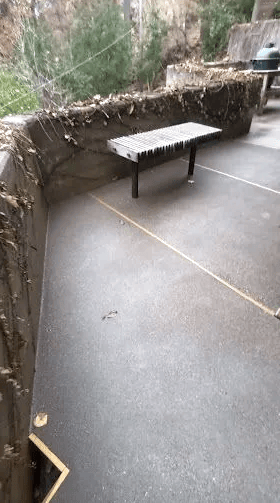

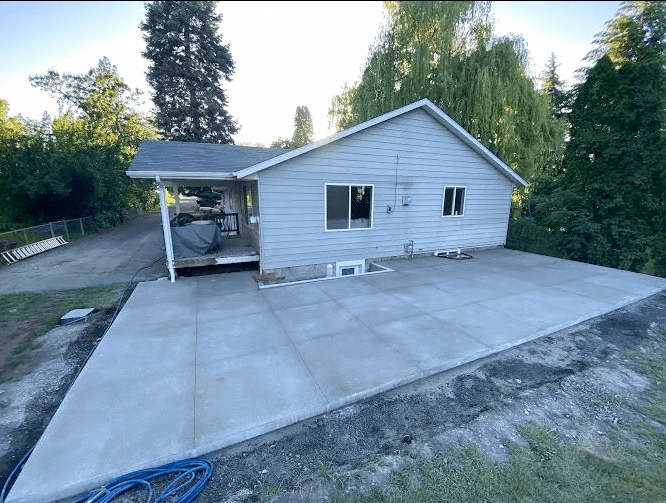
Types of Foundation Work We Do
We have handled foundation projects across Greenville for over a decade, working on everything from modest homes near North Main to larger builds along the Woodruff Road Corridor. The soil here in the Piedmont region tends to run heavy with expansive clay, and that means the type of foundation you choose matters a great deal. Below is a breakdown of the foundation work we do and what each option involves.
Slab-on-Grade Foundations
A slab foundation is one of the most common choices for residential construction in the Greenville area. We pour a continuous concrete slab directly on prepared, compacted soil. We typically use 4000 PSI concrete reinforced with #4 rebar at 12 inches on center, and we keep a minimum slab thickness of 6 inches for residential work. Before any pour, we compact the subgrade and verify bearing capacity, because loose or improperly prepared soil under a slab is one of the leading causes of cracking and foundation settlement down the road. We pull permits through the Greenville County Building Codes Division and follow the South Carolina Building Code throughout.
Poured Concrete Foundations
For homes and additions that need a full perimeter wall below grade, a poured concrete foundation gives you a strong, continuous structure. We form and pour 8-inch foundation walls using fiber-reinforced concrete, placing rebar according to ACI 318 standards. Poured walls resist lateral soil pressure better than block alternatives, which matters when you are building on sloped lots like those common near Paris Mountain or along the Saluda River corridor. We also address foundation drainage at this stage, installing 4-inch perforated drain pipe and crushed stone at the footing to keep water moving away from the wall.
Crawlspace Foundations
A crawl space foundation uses perimeter walls and interior piers to lift the structure above grade, leaving an accessible space underneath. This setup is common in older neighborhoods like Augusta Road and Overbrook. We install 6-mil vapor barrier sheeting across the crawl space floor to control ground moisture, and we tie in proper ventilation or encapsulation depending on your site conditions. Greenville's clay soils can hold moisture against foundation walls for long periods, so foundation waterproofing applied to the exterior of crawl space walls is something we build into the process, not something we skip.
Footings, Piers, and Columns
Footings spread the load from walls and columns into the soil below. We size our spread footings based on soil bearing capacity, and we commonly pour 30-inch spread footings for load-bearing applications. Where soil conditions are poor or where a structure needs deeper support, we install foundation piers using Chance Helical Piers driven to refusal with a hydraulic torque motor, rated to 8000 ft-lbs of torque. This gets load down past the soft surface soils and into more stable material. Columns and interior piers are then set on top of these footings or pier heads, depending on what the foundation design calls for.
Retaining Walls and Load-Bearing Concrete Elements
Sloped lots around areas like Travelers Rest or near Lake Conestee often require retaining walls to manage grade changes and protect the foundation from soil movement. We design and pour reinforced concrete retaining walls that account for the lateral pressure of Greenville's expansive clay soils. We also install load-bearing grade beams, pile caps, and other concrete elements tied to the structural system. All of this work is done in coordination with licensed engineers when load-bearing calculations are required, and we handle permitting through Greenville County Development Services.
Whether you are starting from the ground up or dealing with a structure that has already shown signs of movement, the foundation type underneath your building shapes every repair decision going forward. That connection between new construction and repair work is exactly what we cover next.
Foundation Repair Services
When something is wrong with a foundation, the signs usually show up slowly. Doors that stick, cracks running along drywall, or floors that feel uneven underfoot are all things we take seriously. With over 20 years of combined concrete experience and more than 10 years working in Greenville, SC, we understand how local conditions affect foundation repair outcomes. The expansive clay and Piedmont residual soil common across areas like North Main, Augusta Road, and Simpsonville shift with the seasons. That movement is one of the main reasons foundations crack, settle, or push inward over time.
Crack Repair and Sealing
Not every crack means the same thing. Hairline surface cracks are different from structural cracks that run through an 8-inch foundation wall. We inspect each crack carefully before recommending a fix. Depending on the cause and depth, we may use epoxy injection to restore tensile strength or hydraulic cement to stop active water intrusion. For wider cracks with ongoing movement, polyurethane foam or crystalline waterproofing admixtures like Xypex can be the right choice. We pull permits through the Greenville County Building Codes Division when the scope of work requires it, so everything is documented properly.
Settlement and Heaving Correction
Foundation settlement in Greenville often ties directly to fill soil, alluvial deposits near the Reedy River or Saluda River corridors, or clay hardpan that swells and shrinks. We use a soil compaction tester and review SPT N-values to understand what is happening beneath the slab or footing before we recommend a correction method. Heaving caused by expansive clay requires a different approach than settlement from poorly compacted fill. Getting that diagnosis right matters more than moving fast.
Underpinning and Stabilization
When a foundation has lost its bearing capacity, underpinning transfers the load down to stable soil or rock. We install Chance Helical Piers and foundation piers sized to the load requirements of your structure. A 12-inch diameter pier driven to a torque rating of 8,000 ft-lbs with an 18-inch helical plate is a common setup for residential work in this area, though every project gets evaluated on its own. We also coordinate with licensed structural engineers when load-bearing calculations need a PE stamp, which the South Carolina Building Code requires on certain repairs.
Bowed or Leaning Wall Repair
Bowed foundation walls are common in older homes across neighborhoods like Botany Woods, Overbrook, and parts of West Greenville. Lateral soil pressure, particularly from expansive clay, pushes walls inward over time. We use carbon fiber straps and wall anchors to stabilize walls that have not moved past the point where they can be held in place. Carbon Armor and Grip-Tite systems are two products we work with, depending on the wall condition. For walls that have moved further, a combination of excavation and brace systems may be needed to restore alignment.
Emergency Shoring for Damaged Foundations
A foundation that has shifted suddenly or partially failed needs attention before further movement causes more damage. We respond to emergency stabilization calls across Greenville County, including areas along Woodruff Road, Wade Hampton Boulevard, and out toward Greer and Mauldin. Temporary shoring holds the structure in place while we complete a proper foundation inspection and build a repair plan. We follow OSHA 29 CFR 1926 Subpart P for all excavation and shoring work to keep the site safe for our crew and for you.
Once a foundation is stabilized and repaired, the next concern is usually water. Moisture that gets into or beneath a foundation is one of the leading causes of long-term concrete deterioration, and it is something we address directly through waterproofing, drainage, and moisture control work.
A few years back, we got a call from a homeowner in the Taylors area just outside Greenville. They needed a new foundation for a home addition, and we were happy to take the job. What looked like a straightforward project on day one turned into one of the toughest jobs we had faced in our years of pouring concrete in the Upstate.
Once we started digging, we hit a layer of red clay that had a lot of moisture trapped in it. If you know anything about Greenville soil, you know that red clay is common here, but this particular spot had an underground water source running right beneath it. The ground kept shifting and the walls of the excavation were not holding the way they needed to before we could pour.
We had to stop, step back, and put our heads together. With over 20 years of combined experience working with concrete, we knew that pouring on an unstable base would mean big problems down the road for the homeowner. So we brought in a drainage solution, installed a French drain system along the perimeter, and gave the soil time to settle and stabilize before we moved forward.
We also had to adjust the footing depth to get below the problem area and reach solid ground. It added time and cost to the project, but we sat down with the homeowner and walked them through every step so they understood exactly what we were doing and why.
In the end, the foundation came out strong and level. That job reminded us that no two projects are the same here in Greenville, and the experience we have built over more than 10 years working in this area matters when things do not go according to plan.
Waterproofing, Drainage, and Moisture Control
Why Moisture Is a Serious Problem for Greenville Foundations
Greenville sits in the Piedmont region, where expansive clay and Piedmont residual soil are common. These soils absorb water and swell, then shrink when they dry out. That repeated movement puts real stress on your concrete foundation over time. Add in the seasonal rainfall we get along the Reedy River corridor and throughout neighborhoods like Sans Souci and Augusta Road, and moisture becomes one of the top causes of foundation settlement, cracking, and long-term structural damage. Catching moisture problems early through a proper foundation inspection saves you from much larger repair bills later.
Exterior and Interior Waterproofing Methods
We use both exterior and interior approaches depending on what your foundation needs. On the outside, we apply products like Xypex or crystalline waterproofing admixture directly to the foundation wall. These treatments bond with the concrete and seal pores against water entry. On the inside, foundation waterproofing may include hydraulic cement to fill active cracks, followed by a coating of Drylok or Thoroseal on block or poured walls. For more serious water intrusion, epoxy injection seals cracks at depth and restores wall integrity.
Drainage Systems and Grading Around Your Foundation
Good foundation drainage starts at the surface. Grading should slope away from your foundation on all sides. When it does not, water pools against the wall and works its way in. We install 4-inch perforated drain pipe in crushed stone beds along the footing to redirect groundwater before it reaches your slab or crawl space. Drain tile systems tied to a proper outlet point move water away from the structure consistently. We handle all permitting through the Greenville County Building Codes Division so the work meets local code from the start.
Sump Pump Installation and Maintenance
In areas where groundwater pressure is higher, a sump pump adds another layer of protection. We tie the interior drain system into a sump basin and install a reliable pump that activates when water reaches a set level. A 6-mil vapor barrier or polyethylene sheeting installed across the crawl space floor also reduces ground moisture significantly. We walk you through basic maintenance so the system keeps working the way it should. Keeping up with that maintenance protects your investment and reduces the chance of mold, rot, and wood damage inside the structure.
Once moisture control is addressed, your foundation is in a much better position to support new loads. Whether you are planning an addition or starting a new build, that leads us to what goes into new construction and addition foundations.
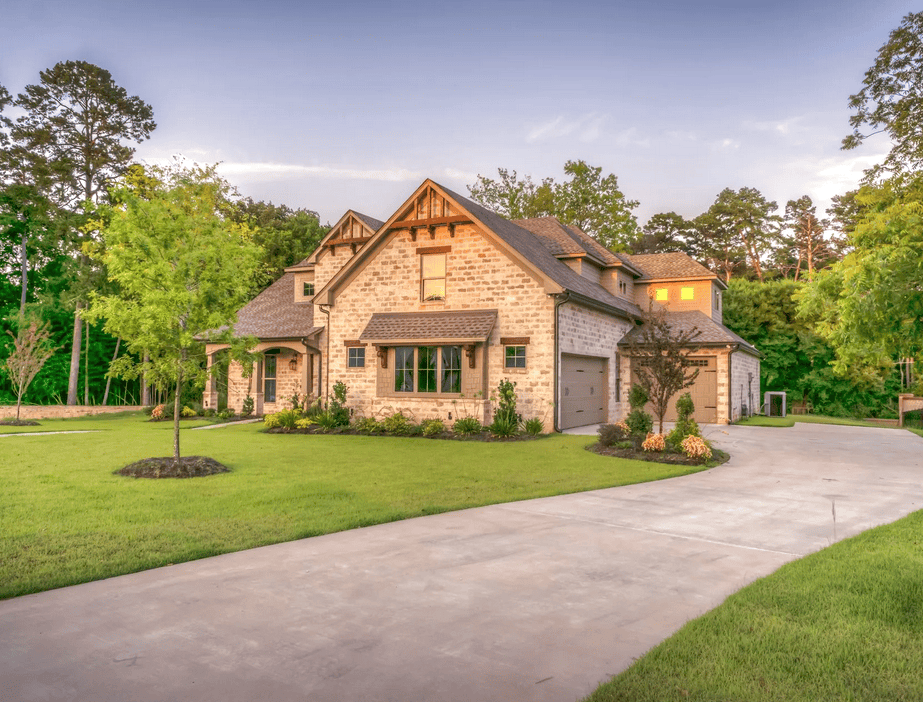
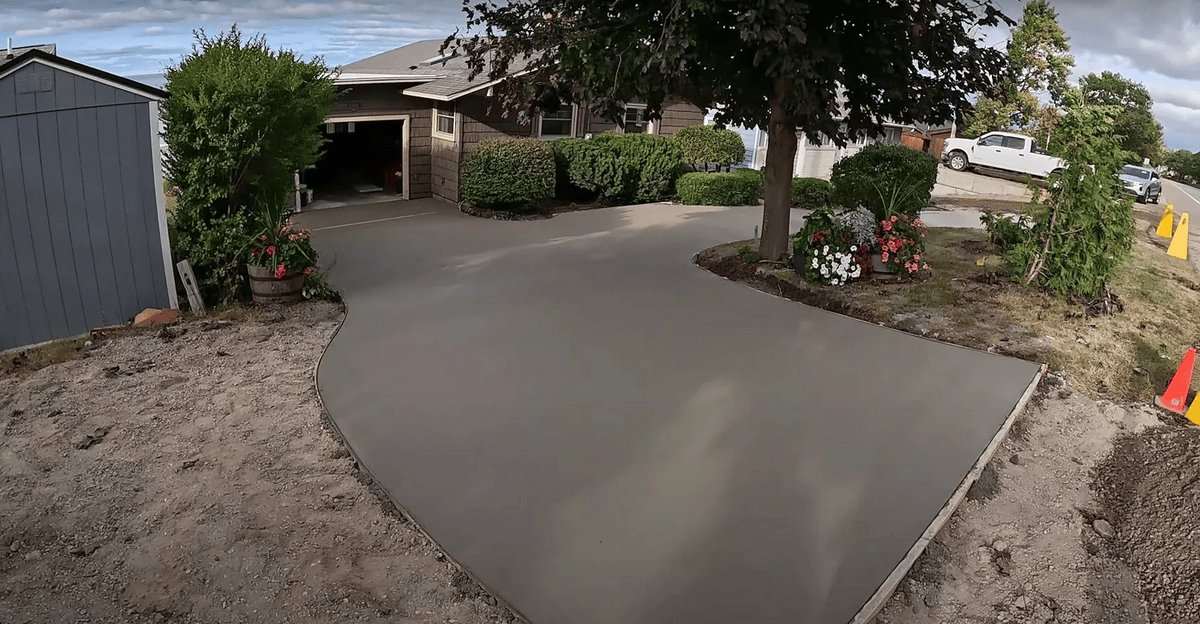
New Construction and Addition Foundations
Pouring Foundations for New Homes
When you build a new home in Greenville, the foundation is the first thing we get right — because everything else depends on it. The soils here in the Upstate, including the expansive clay and Piedmont residual soil common across areas like Taylors, Simpsonville, and Mauldin, can shift with seasonal moisture changes. That means your concrete foundation needs to be designed and poured with those local conditions in mind, not copied from a generic plan.
We use 4000 PSI concrete with #4 or #5 rebar placed at 12 inches on center for most residential foundations, and we size footings based on actual soil bearing capacity at your site. A 30-inch spread footing or a 6-inch concrete slab may be right for one lot and completely wrong for another. We pull soil compaction data and work from real numbers, not assumptions.
Foundations for Home Additions and Garage Builds
Adding onto an existing home or pouring a new garage slab brings its own set of challenges. The new foundation has to tie into what is already there without causing foundation settlement or cracking at the connection point. We see this come up often in older neighborhoods along Augusta Road and North Main, where homes have been added onto over the decades.
For a slab foundation, we account for drainage slope, vapor barrier placement, and proper compaction before a single yard of concrete is poured. For crawl space additions, we match the existing foundation wall depth and detail the connection carefully. Getting this transition right protects both the old structure and the new one.
Working With Structural Engineers on New Construction
We work alongside licensed structural engineers on projects that require stamped drawings or engineered foundation design. This includes larger additions, homes on sloped lots near areas like Travelers Rest or The Cliffs at Glassy, and any build where the soil conditions raise questions about bearing capacity or bedrock depth.
Our work meets ACI 318 and the South Carolina Building Code, and we hold an SC Contractor's License. When an engineer specifies a piling foundation or foundation piers due to poor surface soils, we have the equipment and experience to execute that plan. We have used Chance Helical Piers on projects where shallow soil simply could not carry the load, and we coordinate directly with the engineer of record throughout the process.
Permitting and Local Code Compliance in Greenville
Every new foundation in Greenville County goes through the Greenville County Building Codes Division. If your project is inside city limits, it routes through the City of Greenville Building Permits Office. We handle permit applications, submit required documentation, and schedule inspections so you are not left managing that process on your own.
We know what inspectors in this area look for, and we build to pass the first time. That includes proper foundation drainage, correct reinforcement placement, and compliant forming before any concrete is placed. If your project also falls under the Home Builders Association of Greenville's guidelines or involves coordination with Greenville County Development Services, we are familiar with those processes as well.
Once your foundation is in the ground and approved, the work does not stop there. The next step is understanding how we operate day to day and what you can expect when you bring us onto your project.
What to Expect When You Work With Us
We have spent over 10 years working on residential foundations across Greenville, SC, and we understand that foundation work can feel overwhelming. Our goal is to keep you informed at every step, from the first phone call to the final inspection. Here is what the process looks like when you hire us.
How We Assess Your Foundation Before Starting Work
Before we touch anything, we take a close look at what you are dealing with. Greenville sits on Piedmont residual soil, and many neighborhoods from North Main to Simpsonville deal with expansive clay that shifts with seasonal moisture changes. That soil behavior matters a lot when we are sizing footings or planning foundation repair.
Our assessment includes a thorough foundation inspection of the structure above and below grade. We look for signs of foundation settlement, wall cracking, bowing, moisture intrusion, and drainage problems. Where needed, we coordinate with a licensed structural engineer to review load-bearing requirements and confirm that our plan meets ACI 318 and the South Carolina Building Code. We also check soil conditions and, when the situation calls for it, reference SPT N-value data or use a soil compaction tester to understand what we are working with before we commit to a design.
Our Process From Estimate to Project Completion
We start with an on-site visit to take measurements, document existing conditions, and talk through your concerns. From there, we put together a written estimate that outlines the scope, materials, and cost. We do not use vague line items. You will know exactly what we plan to do and why.
Once you approve the estimate, we handle permitting through the Greenville County Building Codes Division or the relevant city building department depending on your location. We pull the permits, schedule the required inspections, and keep you updated throughout. Our crews are trained and our work is backed by our SC Contractor's License and OSHA 30 certification.
Project Timelines and Scheduling
Timeline varies based on the type of work. A slab foundation for a new addition typically takes a few days to form, pour, and begin curing. Foundation piers or underpinning work can take anywhere from one day to a full week depending on soil depth and access. We account for Greenville's weather patterns in our scheduling because proper curing temperature matters for concrete strength.
We will give you a realistic start date and check in if anything changes. We do not overbook crews, and we show up when we say we will.
Inspections, Documentation, and Working With Local Authorities
We schedule all required inspections with Greenville County Development Services or the appropriate city department and make sure a qualified crew member is on-site when the inspector arrives. After the project is complete, we provide you with copies of inspection records, permits, and any warranty documentation.
If you ever need to refinance, sell, or permit a future renovation, that paperwork protects you. We have built good working relationships with local inspectors and understand what they need to sign off on foundation work across communities like Taylors, Mauldin, and Greer.
Now that you know how we work, the next natural question is what we actually use to get the job done. The materials and methods we choose depend on your specific soil conditions, structural load, and moisture exposure.
About Our Greenville Concrete Contracting Crew
We are a concrete contractor based in Greenville, SC, and we have been pouring and finishing concrete in this area for over 10 years. Our crew brings more than 20 years of combined hands-on experience to every job, from small residential repairs to large commercial pours.
Working in Greenville means we know this area well. We understand the local soil conditions, the humidity that comes with South Carolina summers, and how the seasonal temperature swings here can stress a concrete surface if the mix and curing process are not handled correctly. That kind of local knowledge matters on every job we take on, whether we are installing a driveway in Simpsonville, a pool deck in Taylors, or a commercial slab in downtown Greenville.
We handle the full range of concrete work. That includes driveways, patios, garage floors, pool decks, sidewalks, foundations, retaining walls, stamped and decorative concrete, concrete cutting and removal, resurfacing, sealing, and staining. We also work on commercial and industrial projects, including parking lots, warehouse floors, and ADA-compliant ramps and sidewalks.
When you hire us, you get a crew that shows up prepared. We handle permits, site prep, forming, pouring, finishing, and cleanup. We carry insurance and stand behind our work with a written warranty. You will know exactly what is included before we start, and we keep you informed throughout the project.
If you have a concrete project coming up and want to know what it will take to get it done right, we are glad to come out, take a look, and give you a free estimate.
Materials and Methods We Use
After more than 20 years pouring concrete and over a decade working right here in Greenville, we have learned that choosing the right materials for a foundation is not a one-size-fits-all decision. The soil under your home, the load your structure carries, and the local climate all play a role in what we recommend and why.
Poured Concrete vs Block vs Pier and Beam
Each foundation type has a place, and we match the method to your specific situation. Poured concrete walls and slabs give you a single, continuous structure with fewer joints where water can enter. We typically pour to a minimum 3,500 PSI compressive strength and reinforce with #4 or #5 rebar depending on the load requirements. A well-built slab foundation at 6 inches thick with rebar at 12 inches on center handles most residential loads in our area reliably.
CMU block construction is still used in certain retrofit and repair situations, but poured concrete generally outperforms it for waterproofing and lateral strength. A crawl space foundation with proper pier and beam support is common in older Greenville neighborhoods like North Main and Augusta Road, and it can work well when the crawl space is properly sealed with a 6-mil vapor barrier and kept dry. For new construction or additions requiring deep support, foundation piers such as Chance Helical Piers give us a reliable way to reach stable soil or bedrock below the problem zone.
Why We Choose the Materials We Use
We source ready-mix concrete locally through suppliers like Blue Ridge Ready Mix and Ready Mix USA Greenville, which lets us control the mix design for the conditions on your job site. Fiber-reinforced concrete is an option we use where additional crack resistance matters. For waterproofing, we rely on proven products like Xypex and crystalline waterproofing admixtures rather than surface-only coatings that can peel or fail over time. When cracks do need repair, epoxy injection and hydraulic cement each have their role depending on whether the crack is active or dormant. Wall anchors and carbon fiber straps give us reliable options for stabilizing bowed walls without major excavation.
We follow ACI 318 standards for concrete design and South Carolina Building Code requirements for all foundation work. Every material choice comes down to what will perform correctly under your specific conditions over the long term.
How Greenville Soil Conditions Affect Material Choices
Greenville sits in the Piedmont region, and the soil here is not forgiving when it comes to foundation design. We commonly work through Piedmont residual soil, saprolite, and weathered gneiss before reaching a reliable bearing layer. The expansive clay and clay hardpan common across Upstate South Carolina shrink and swell with seasonal moisture changes, which puts repeated stress on foundations throughout the year.
In areas near the Reedy River, Lake Conestee, or lower-lying parts of Simpsonville and Mauldin, alluvial and colluvial soils can have lower bearing capacity and higher moisture content. Soil stabilization through proper compaction, tested to ASTM D1557 standards using a soil compaction tester, is something we take seriously before any concrete is placed. We also factor in the SPT N-value and Unified Soil Classification data when sizing footings and determining pier depth.
Foundation drainage is a direct response to Greenville's wet seasons. We use 4-inch perforated drain pipe, drain tile, and crushed stone to move water away from the foundation before it causes foundation settlement or moisture intrusion. These material and method decisions are not arbitrary. They are the result of years of working in this specific soil environment and understanding what holds up over time.
Knowing what goes into your foundation is one part of the picture. The next is making sure the contractor you hire has the credentials, coverage, and local code knowledge to stand behind that work.
Licensing, Insurance, and Contractor Qualifications
Our Licensing and Insurance in South Carolina
We hold an active SC Contractor's License and carry full general liability insurance and workers' compensation coverage. This protects you from unexpected costs if something goes wrong on your property during a foundation repair or new pour. We pull permits through the Greenville County Building Codes Division and the City of Greenville Building Permits Office, and we coordinate directly with local inspectors to make sure every job meets the South Carolina Building Code and IRC 2021 requirements. When you hire us, you get documentation you can hold onto, not just a handshake.
Our Experience Pouring Concrete and Working in Greenville
We bring over 20 years of combined concrete experience and more than 10 years working specifically in Greenville and the surrounding Upstate. That matters here because the soils in this area are not simple. Piedmont residual soil, saprolite, and expansive clay are common across neighborhoods like North Main, Taylors, and Simpsonville, and they behave differently depending on the season and moisture levels. We understand how local soil conditions affect foundation design and foundation settlement, and we size footings and select concrete mixes accordingly. Whether we are working on a slab foundation, a crawl space foundation, or placing foundation piers, we apply the same care to soil preparation and concrete placement every time. We use materials like 4000 PSI concrete and #4 rebar at 12 inches on center where the job calls for it, and we work with local suppliers including Ready Mix USA Greenville and Blue Ridge Ready Mix to keep quality consistent.
References, Reviews, and Past Project Photos
We are glad to share references from past customers across Greenville County, including jobs in Botany Woods, Verdae, Pebble Creek, and along the Woodruff Road corridor. Our residential foundations and foundation waterproofing work shows up in before-and-after photos we can walk you through before any contract is signed. A foundation inspection is often where we start, and many of our customers come back to us after seeing the results on a neighbor's home or reading reviews from someone in their own neighborhood. We are part of this community, and our reputation here is something we take seriously. When you are ready to talk through pricing and what the work actually costs, we cover all of that in the next section.
Cost, Warranties, and Financing
What Foundation Work Costs in Greenville, SC
Foundation work covers a wide range of projects, so costs vary quite a bit. A basic slab foundation for a smaller home addition might run a few thousand dollars, while full foundation repair involving underpinning or foundation piers can reach into the tens of thousands. In our experience working across Greenville County, most residential foundation repair projects fall somewhere between $3,000 and $15,000 depending on the scope. New foundations for custom homes or commercial builds are priced separately based on engineering requirements and site conditions. We give you a written estimate before any work begins so there are no surprises.
Factors That Affect Your Project Price
Several things shape the final cost of your project. The type of foundation matters, whether it is a crawl space foundation, a poured wall system, or a piling foundation. Soil conditions play a big role here in Greenville. The expansive clay and Piedmont residual soils common throughout areas like Taylors, Simpsonville, and along the Reedy River corridor can require deeper footings or additional soil stabilization work to reach stable bearing capacity. The severity of foundation settlement or cracking, the need for foundation waterproofing or foundation drainage, and whether permits are required through the Greenville County Building Codes Division all factor into the total. We also account for concrete mix requirements and rebar specifications such as #4 or #5 rebar based on load demands.
Warranties and Guarantees We Offer
We stand behind our work with written warranties on both materials and labor. Warranty terms depend on the type of work completed. Structural repairs using systems like helical pier steel or carbon fiber straps come with manufacturer-backed coverage in addition to our own workmanship guarantee. Foundation inspection reports and all warranty documentation are provided to you at project completion. Keeping that paperwork is worthwhile if you ever sell your home, since buyers and lenders often ask about past foundation work during title and inspection processes.
Payment Terms and Financing Options
We collect a deposit to schedule your project and the remainder upon completion. For larger projects, we can break payments into agreed-upon milestones tied to specific stages of work. We understand that foundation work is rarely a planned expense, so we work with financing partners to help spread the cost over time if that fits your situation better. Ask us about current options when you request your estimate and we will walk you through what is available.
With a clear picture of what your project costs, what protections are in place, and how payment can work, you are in a good position to make a confident decision about moving forward.
Ready to Move Forward With Your Greenville Foundation Project
Once you understand the costs, warranties, and financing options behind foundation work, the next step is choosing who you trust to do the job right. That decision matters more than most people realize, especially when you are talking about the structural base of your home or building.
Why Working With a Local Greenville Contractor Matters
We have spent over 10 years working on residential foundations across Greenville and the surrounding area, from neighborhoods along Augusta Road to subdivisions out in Simpsonville and Greer. In that time, we have learned that the Piedmont residual soil and expansive clay common throughout this region require a level of local knowledge that a contractor from outside the area simply does not bring to the table.
We know how seasonal moisture shifts affect foundation settlement in this part of South Carolina. We pull permits through the Greenville County Building Codes Division. We work within the South Carolina Building Code. We design and pour to ACI 318 standards. And we use proven materials like fiber-reinforced concrete, helical pier steel, carbon fiber straps, and proper drain tile systems to make sure your foundation holds up for decades.
Here is what you get when you work with us:
- Over 20 years of combined concrete experience and more than 10 years serving Greenville homeowners and businesses
- Thorough foundation inspection before we recommend any repair or new construction approach
- Proper soil evaluation to confirm bearing capacity before we design your footings or piers
- New foundation options including slab foundation, crawl space foundation, and piling foundation systems sized for your specific site
- Reliable foundation repair using methods like underpinning foundation work, wall anchors, and foundation piers
- Complete foundation waterproofing and foundation drainage to address moisture before it becomes a bigger problem
- Soil stabilization where fill soil or poor bearing conditions require extra attention
- Permit pulling, inspections, and full code compliance handled by our team
- Honest written warranties and clear documentation you can reference for years
- SC Contractor's License, liability insurance, and a local crew that stands behind its work
How to Get Your Foundation Estimate Started
Getting started is straightforward. We come out to your property, take a look at what you are dealing with, and give you an honest assessment along with a written quote at no charge. Whether you are in North Main, Taylors, Mauldin, or anywhere else in the Greenville area, we are ready to schedule a visit that works for you.
A solid foundation design starts with a conversation. Call us or fill out the quote form below to get your free estimate today.
Greenville SC Concrete
220 N Main St
Greenville, SC 29601
Business Hours
| Mon | 7:00 AM – 10:00 PM |
| Tue | 7:00 AM – 10:00 PM |
| Wed | 7:00 AM – 10:00 PM |
| Thu | 7:00 AM – 10:00 PM |
| Fri | 7:00 AM – 10:00 PM |
| Sat | 7:00 AM – 10:00 PM |
| Sun | 7:00 AM – 10:00 PM |